
Blog

Why Entrepreneurs Choose Forest City Malaysia
Forest City, Startups, International Property, Entrepreneurs
Why Entrepreneurs Are Choosing Forest City Malaysia to Build Their Startups
Forest City, on Johor’s southern coast, has quietly evolved from an ambitious masterplan into a serious base for founders, investors, and global professionals who want proximity to Singapore, modern infrastructure, and access to Southeast Asia’s growth. A key question many international entrepreneurs ask at the start of their journey is simple: can foreigners buy property in Forest City Malaysia, and how does that decision support a long-term startup strategy?
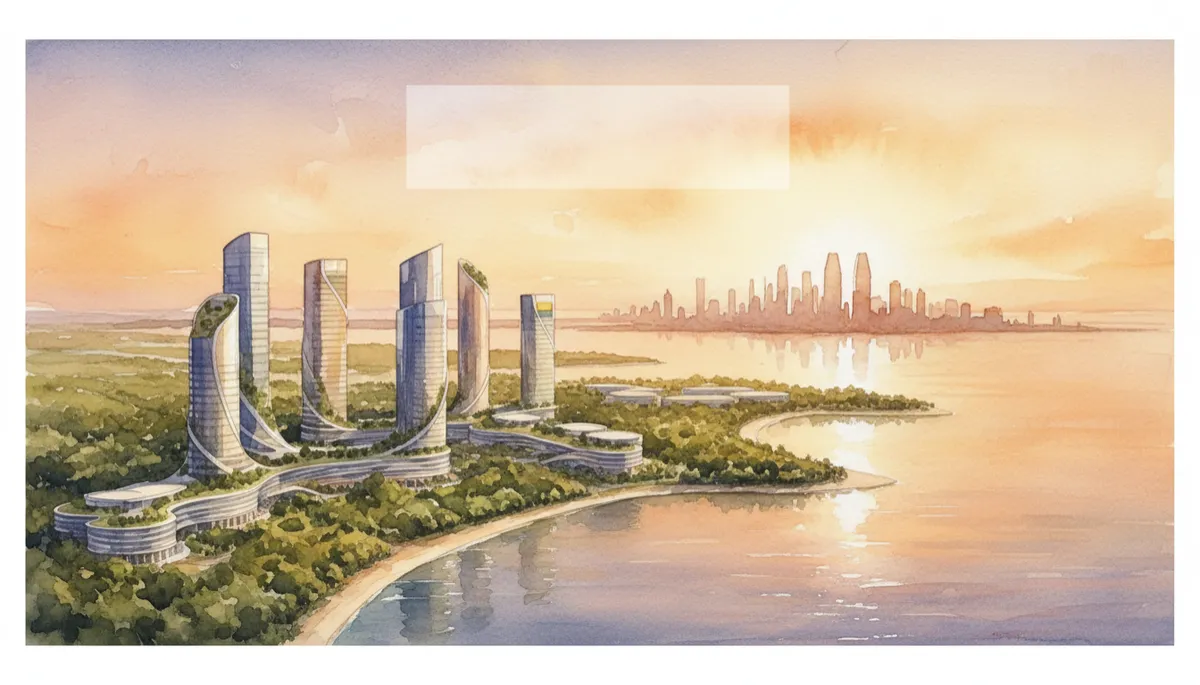
The short answer is yes. Foreigners can buy property in Forest City, Malaysia, which immediately sets it apart as a practical base for those who want to live, invest, and build companies near Singapore without paying Singapore prices. Developed as an integrated smart city, Forest City combines residential, commercial, and leisure spaces in a way that appeals to founders who value both lifestyle and business infrastructure. Official information from the master developer highlights its role within the Johor–Singapore growth corridor, with ongoing updates on projects, amenities, and special economic initiatives available at Forest City’s official site.
Can Foreigners Buy Property in Forest City Malaysia?
Malaysia’s property framework is generally open to foreign buyers, and Forest City is no exception. International buyers can purchase residential units, particularly strata-titled apartments and condominiums, subject to state regulations and minimum price thresholds. This makes Forest City accessible to entrepreneurs who want a home base, a pied-à-terre near Singapore, or an investment property in an emerging smart city. For many founders, the ability to own rather than rent is a signal of stability and long-term commitment to the region.
Understanding Property Ownership Rules as an International Buyer
Forest City sits in Johor, a state that welcomes foreign property investment but regulates it carefully. Under Malaysia’s National Land Code and Johor’s state guidelines, foreign buyers need state authority consent, must respect price floors, and cannot purchase certain protected categories of land. In practice, this means you should approach a Forest City purchase with the same diligence you would apply to a term sheet: understand the structure, the constraints, and the long-term implications before you sign. Working with a licensed agent and a Malaysian conveyancing lawyer is essential to navigate approvals, timelines, and taxes confidently.
Minimum Property Purchase Thresholds and State-Specific Rules
Johor sets relatively high minimum prices for foreign buyers. As of 2026, most strata-titled residential units require a minimum purchase price of around RM1 million, while landed homes often sit closer to RM2 million and may still need additional scrutiny or approvals. Forest City has, in certain phases, benefited from targeted exemptions that allow foreign buyers to enter at slightly lower price points, but these are project-specific and must be confirmed for each development. You also cannot buy Malay Reserve Land, Bumiputera-quota units, government low- or medium-cost housing, or most agricultural land. These restrictions are designed to protect local segments of the market while still encouraging international investment in higher-end and strategic developments like Forest City.
Property Types, Legal Processes, and Financing Options for Foreigners
Foreign buyers in Forest City typically choose between freehold and 99‑year leasehold apartments or serviced residences. Freehold units often appeal to long-term investors and family offices, while leasehold properties can align with founders who view their Forest City base as a 10–20‑year strategic hub. The legal process usually involves signing a sale and purchase agreement, securing state consent, paying an 8% stamp duty on the transfer price, and a Johor foreign consent fee of about 3% (or a minimum of RM30,000), alongside legal and disbursement costs. Altogether, transaction costs can add 10–14% to your purchase price, which should be factored into your financial model.
Financing is available from selected Malaysian banks, though loan-to-value ratios for foreigners are typically more conservative than for locals. Some buyers finance through regional banks or cash, especially when purchasing via a holding company or family office. Importantly, owning property in Forest City does not automatically grant residency or a long-term visa. Those interested in living in Malaysia more permanently should explore visa options or any future incentives linked to the Johor–Singapore Special Economic Zone, which is evolving alongside Forest City’s Special Financial Zone status.

Many founders treat a Forest City home as both a living space and a strategic base.
Why Foreigners and Entrepreneurs Are Drawn to Forest City
For founders, the attraction is rarely about property alone. Forest City’s strategic location, minutes from Singapore by road and, soon, enhanced rail connectivity via the Johor Bahru–Singapore RTS Link, positions it at the intersection of two dynamic economies. Professionals can tap into Singapore’s financial and technology ecosystem by day, then return to a quieter, more spacious environment in Johor each evening. This blend of access and affordability is especially compelling for early-stage startups that want to keep burn rates under control while still meeting investors, partners, and clients in a world-class hub.
Forest City itself has matured beyond its early headlines. The Special Financial Zone has attracted interest from financial institutions, family offices, and digital businesses, with investment enquiries already in the hundreds. At the same time, the city’s ESG commitments—such as restored mangroves, extensive green space, and LEED pre-certified buildings—speak to a longer-term vision of a sustainable urban environment. For entrepreneurs building in fintech, green tech, AI, or digital services, this ecosystem sends a clear signal: you are not just buying into a development, you are buying into a city that is aligning itself with the future of work and capital flows in the region.
A Modern International Community and Lifestyle Base
Forest City was designed from the outset as an international township. Its residential towers, commercial spaces, golf resort, and coastal amenities attract a diverse mix of residents: entrepreneurs, remote workers, investors, and families who move between markets. This diversity creates organic networking opportunities—conversations in cafés, introductions at community events, and collaborations that start in coworking spaces and extend across borders. It also makes the city feel familiar to those who have lived in global hubs, but at a more manageable pace and cost.
Lifestyle remains a major consideration for mobile professionals. Weekends can easily include short trips into Singapore, or further afield across Southeast Asia, with travel inspiration and regional ideas often drawn from resources such as Pelago’s short trips from Singapore guide. For many founders, this mix of cosmopolitan access and resort-style surroundings makes Forest City feel less like a remote outpost, and more like a launchpad that supports both personal wellbeing and professional ambition.
Property Ownership as a Strategic Move for Entrepreneurs
For entrepreneurs, buying property in Forest City is often about more than securing a roof over their heads. It can signal a regional commitment to investors, provide a stable address for operations, and create a space that doubles as a quiet work environment or informal meeting venue. Some founders structure their ownership through holding companies or family office vehicles, aligning their property strategy with broader wealth and succession planning. Others view their Forest City unit as a flexible asset—one that can be rented out if their startup demands a shift to another market later.
The tax landscape matters here too. Foreigners are subject to Malaysia’s Real Property Gains Tax if they dispose of properties at a profit, particularly within the first five years. This encourages a longer-term mindset, which aligns well with founders who see Forest City not as a quick flip, but as a multi-cycle base for building teams, testing regional products, and hosting partners or investors who visit from Singapore and beyond.
Forest City, Startups, and the Future Ecosystem
As capital, talent, and ideas continue to flow between Johor and Singapore, Forest City is steadily positioning itself as a complementary hub for innovation. National platforms like MYStartup reflect Malaysia’s broader push to support founders, while the Forest City Special Financial Zone focuses on attracting financial and digital economy players. For entrepreneurs, this means that the decision to live and build in Forest City is increasingly supported by policy, incentives, and a growing network of like-minded professionals.
At the same time, the city’s governance track record is evolving. Recent cooperation with authorities on regulatory matters, such as investigations into specific education and coliving ventures, signals a commitment to compliance and long-term credibility. For serious founders, this is reassuring: it suggests that while experimentation is welcome, the ecosystem is also anchored in clear rules and oversight—an important foundation for attracting institutional investors and corporate partners.
Frequently Asked Questions for International Entrepreneurs
Can foreigners buy property in Forest City Malaysia? Yes. Foreigners can purchase property in Forest City, subject to Malaysia’s foreign ownership regulations, Johor’s minimum price thresholds, and state consent. Certain project phases may offer more flexible entry points, so it is important to confirm details with the developer and your legal advisor.
Is Forest City close to Singapore? Forest City is located in Johor, near the Malaysia–Singapore border. By road, it sits within easy reach of Singapore, and upcoming infrastructure such as the Johor Bahru–Singapore RTS Link is expected to further enhance connectivity. Many residents treat Forest City as a calm base, with Singapore functioning as their external boardroom, investor hub, or client meeting ground.
Is Forest City good for foreign entrepreneurs? For founders and remote-first teams, Forest City offers a modern environment, international community, and strategic location. The Special Financial Zone and Johor–Singapore Special Economic Zone framework are drawing financial, digital, and green-economy players, creating a fertile landscape for collaboration and deal flow.
Do foreigners need a visa to buy property in Malaysia? Property ownership and residency are separate. Buying in Forest City does not automatically grant a visa, permanent residency, or work rights. If you intend to base yourself or your team in Malaysia, you will need to explore visa options independently of your property purchase, and monitor any future incentives that may emerge under the Special Economic Zone framework.
Conclusion: Live, Invest, and Build in Forest City
Forest City represents a new kind of opportunity for international entrepreneurs: a place where you can own a home, enjoy a resort-like lifestyle, and still be plugged into one of Asia’s most dynamic innovation corridors. With clear rules for foreign property ownership, growing investment in its Special Financial Zone, and a steadily expanding international community, it offers a compelling alternative to more expensive global hubs. For many founders, the question is no longer whether foreigners can buy property in Forest City, but how best to integrate that decision into a broader strategy for company-building and wealth creation in Southeast Asia.
If you are exploring Forest City as your next base, you do not need to navigate the journey alone. FC Startup exists to connect founders, innovators, and professionals who are building the city’s next chapter—from fintech and AI ventures to green tech and digital services. Join the FC Startup community, meet other entrepreneurs on the ground, and turn Forest City from a property purchase into a platform for your next venture.